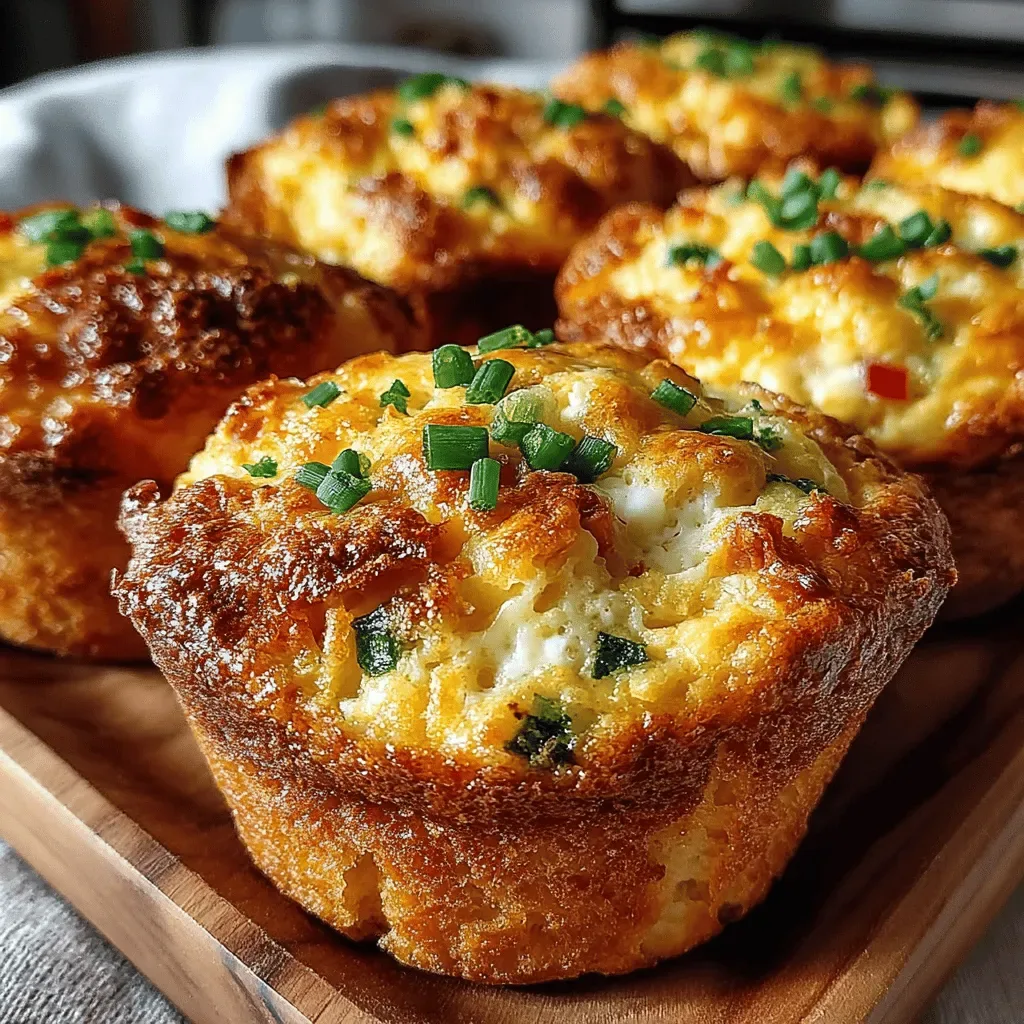
Pumpkin Spice Donuts

Published on September 13, 2025
4.8 (245 reviews)

The first time I tasted a pumpkin‑spice donut was at a tiny farmer’s market stand in upstate New York. I was drawn in by the scent of cinnamon and nutmeg swirling with the sweet, earthy aroma of roast

Save This Recipe!
Click to save for later - It only takes 2 seconds!
Pumpkin Spice Donuts
Prep Time
25 min
Cook Time
15 min
Servings
12

Why You'll Love This Recipe

✓ Perfect Autumn Flavor: Each bite delivers a balanced blend of pumpkin puree, warm spices, and a subtle caramel glaze that captures the essence of crisp fall mornings, making it an instant seasonal classic you’ll crave year‑round.
✓ Fool‑Proof Technique: The batter is mixed using the “wet‑then‑dry” method, which guarantees a tender crumb without over‑mixing, so even beginner bakers can achieve bakery‑level results on the first try.
✓ Customizable Glaze: The simple vanilla‑cream glaze can be swapped for maple, chocolate, or even a spicy orange drizzle, giving you endless creative freedom for holidays, parties, or everyday treats.
✓ Moisture‑Locked Inside: Because the donuts are fried quickly at a high temperature, a thin crust forms while the interior stays moist and fluffy, delivering that perfect contrast of textures.
✓ Crowd‑Pleaser: Whether you’re serving a brunch crowd, a school bake‑sale, or a cozy family gathering, these donuts win hearts with their familiar flavors and eye‑catching orange‑brown hue.

The first time I tasted a pumpkin‑spice donut was at a tiny farmer’s market stand in upstate New York. I was drawn in by the scent of cinnamon and nutmeg swirling with the sweet, earthy aroma of roasted pumpkin. The vendor handed me a warm, dusted donut that crumbled delicately in my hand, releasing a cascade of spices that instantly reminded me of crisp October mornings, crunchy leaves, and the comforting hum of a kitchen full of simmering pies. That moment sparked a lifelong fascination with the marriage of seasonal produce and classic pastry techniques.

When I returned home, I tried to recreate that magic in my own kitchen. The first attempts were clumsy—over‑mixed batter, uneven frying temperatures, and a glaze that either set too hard or dripped off the side. Yet each failure taught me something vital about the chemistry of dough, the importance of precise oil temperature, and the role of pumpkin puree not just as flavor but as a moisture‑retaining agent. After countless trial runs, I finally landed on a formula that balances the sweet, the spicy, and the buttery, producing a donut that feels like a hug in every bite.

What makes this recipe truly special is its blend of simplicity and depth. The ingredient list is short enough for a weekend pantry run, yet each component is chosen for its functional role: the pumpkin adds natural sweetness and moisture, the spices provide aromatic complexity, and the glaze adds a glossy finish that locks in flavor. Whether you serve them fresh from the fryer or let them rest for a few hours to let the glaze set, these pumpkin spice donuts embody the spirit of fall while remaining versatile enough for any season.

2 cups (250 g) all‑purpose flour For a lighter crumb, sift the flour with the leavening agents before measuring.
½ cup (115 g) unsalted butter, melted Butter adds flavor and helps create a crisp exterior; melt gently to avoid browning.
2 large eggs, room temperature Eggs provide structure and lift; beating them lightly before adding helps incorporate air.
½ cup (100 g) granulated sugar Adjust to taste; for a deeper caramel note, substitute half with brown sugar.
1 ½ tsp ground cinnamon Cinnamon is the backbone of the spice blend; use Ceylon for a sweeter, less pungent flavor.
½ tsp ground nutmeg Nutmeg adds a warm, slightly sweet undertone that pairs perfectly with pumpkin.
¼ tsp ground ginger A pinch of ginger brightens the flavor profile without overpowering.
¼ tsp ground cloves Cloves add a subtle depth; use sparingly to avoid bitterness.
1 tsp baking powder Leavening agent that creates a light, airy interior.
¼ tsp salt Enhances the sweetness and balances the spices.
Vegetable oil, for frying (≈ 2 L) A neutral oil with a high smoke point ensures even cooking and a crisp exterior.
Glaze: 1 cup (120 g) powdered sugar, 2 Tbsp milk, ½ tsp vanilla extract Adjust milk quantity for desired thickness; add a pinch of cinnamon for extra flavor.

Instructions

Pumpkin Spice Donuts
1

Prepare the Dry Mix

In a large mixing bowl, whisk together the sifted all‑purpose flour, baking powder, salt, and the full suite of spices—cinnamon, nutmeg, ginger, and cloves. Sifting not only removes any lumps but also aerates the flour, which is crucial for a light crumb. As you whisk, imagine each spice particle spreading evenly throughout the batter; this mental picture helps you avoid pockets of concentrated flavor that could become overwhelming. Once combined, set the dry mixture aside; this step ensures that the leavening agents are evenly distributed before the wet ingredients are introduced.

Pro Tip: If you prefer a gluten‑free version, replace the flour with a 1:1 gluten‑free blend and add ¼ tsp xanthan gum.
2

Mix Wet Ingredients

In a separate bowl, combine the melted butter, pumpkin puree, and granulated sugar. Whisk until the mixture is smooth and glossy; the sugar should begin to dissolve slightly, creating a slightly thick but pourable batter. Add the eggs one at a time, beating gently after each addition. The eggs should be at room temperature to prevent the batter from curdling. This wet mixture provides moisture, richness, and the binding needed for the final structure. Take a moment to notice the deep orange hue—this is your visual cue that the pumpkin flavor is fully integrated.

Pro Tip: For extra depth, substitute half the milk in the glaze with a splash of bourbon; the alcohol will evaporate during frying, leaving a faint caramel note.
3

Combine Wet and Dry

Create a well in the center of the dry ingredients and gently pour the wet batter into it. Using a rubber spatula, fold the mixture together with a gentle, sweeping motion. The goal is to incorporate the flour without over‑mixing; over‑mixing develops gluten, which can lead to a dense donut. Stop stirring as soon as the last streaks of flour disappear. The batter should be thick but still slightly loose—think of a soft cake batter that drops slowly from a spoon.

Pro Tip: Let the batter rest for 10 minutes; this allows the flour to hydrate fully, resulting in a more tender crumb.
4

Heat the Oil

Pour vegetable oil into a deep, heavy‑bottomed pot or a deep‑fat fryer, filling it to about 3 inches deep. Heat the oil to 350°F (175°C). Use a candy thermometer or an infrared probe to monitor temperature; maintaining a consistent heat is vital. If the oil is too cool, the donuts will absorb excess oil and become greasy; too hot, and the exterior will brown before the interior cooks through. Once the temperature stabilizes, test a small spoonful of batter—if it sizzles and rises to the surface within 5 seconds, the oil is ready.

Pro Tip: Keep a lid nearby for safety, but never cover the pot while frying to avoid steam buildup.
5

Shape the Donuts

Transfer the batter to a piping bag fitted with a large round tip (or a zip‑top bag with a corner cut off). Pipe circles about 3 inches in diameter onto a parchment‑lined baking sheet. If you lack a piping bag, you can drop spoonfuls of batter with a 1‑inch ice‑cream scoop, shaping them gently with a wet spoon. The batter should hold its shape in the oil; if it spreads too thin, the batter may be over‑liquid—add a tablespoon of flour to thicken. Aim for uniform size so cooking time stays consistent.

Pro Tip: If you want a hole in the center, use a donut cutter after the first side has set, then flip to finish cooking.
6

Fry the Donuts

Gently lower the batter circles into the hot oil using a slotted spoon or a spider strainer. Fry in small batches to avoid crowding, which would drop the oil temperature. Cook each side for about 2‑3 minutes, or until they turn a golden‑brown color and float to the surface. Use a thermometer to keep the oil between 340°F‑355°F (170‑180°C) throughout the process. When the donuts are done, remove them with the slotted spoon and place them on a wire rack set over a sheet of paper towels to drain excess oil.

Pro Tip: Do not skip the resting period after frying; letting them sit for 2 minutes allows the interior to finish steaming.
7

Prepare the Glaze

While the donuts are cooling, whisk together powdered sugar, milk, and vanilla extract in a shallow bowl until smooth. The glaze should be pourable but thick enough to coat the tops without running off completely. If the glaze is too thick, add a few drops of milk; if too thin, sift in additional powdered sugar. For an extra autumnal twist, stir in a pinch of ground cinnamon or a drizzle of maple syrup. This glaze will set quickly, creating a glossy finish that locks in moisture.

Pro Tip: Dip the donuts only halfway for a half‑glazed look, or fully submerge for a classic shiny coat.
8

Glaze and Serve

Transfer the warm donuts to a cooling rack and drizzle or dip each one in the glaze. Allow the glaze to set for 2‑3 minutes before serving; this short waiting period ensures the coating hardens just enough to provide a satisfying snap without becoming brittle. Serve the donuts warm for the ultimate soft‑inside, crisp‑outside experience, or at room temperature if you’re preparing them ahead of time. Pair with a hot cup of coffee, spiced chai, or a glass of cold milk for a balanced flavor profile.

Pro Tip: If you prefer a crunchy topping, sprinkle toasted pumpkin seeds or crushed pecans onto the glaze before it sets.

Expert Tips

Tip #1: Use Fresh Pumpkin Puree

Canned pumpkin puree can vary in moisture content. Choose a brand that lists only pumpkin and water, without added sugars or spices. If the puree feels watery, drain it in a cheesecloth for 10 minutes; this prevents a soggy donut interior and helps the batter hold its shape during frying.

Tip #2: Temperature Consistency

Maintain oil temperature between 340°F‑355°F throughout frying. Use a deep‑fat thermometer and adjust the heat as you add batches. If the temperature drops too low, the donuts become greasy; if it spikes, they burn before the center cooks.

Tip #3: Rest the Batter

Allow the mixed batter to rest for 10‑15 minutes before piping. This rest period lets the flour fully hydrate, resulting in a tender crumb and preventing a gritty texture caused by dry flour particles.

Tip #4: Light Coating of Flour

Before frying, dust the shaped donuts lightly with a tablespoon of flour. This thin veil helps create a crisp outer crust and reduces the chance of batter sticking to the fryer basket.

Tip #5: Glaze Temperature

Make sure the glaze is slightly warm (around 120°F) before dipping. A warm glaze spreads more evenly and adheres better, preventing drips and giving a smooth, glossy finish.

Tip #6: Use a Wire Rack

After frying, place donuts on a wire rack set over parchment. This allows excess oil to drip away and prevents the bottom from becoming soggy, preserving that coveted crunch.

Tip #7: Flavor‑Infused Glaze

Add a pinch of pumpkin spice or a drizzle of maple syrup to the glaze for an extra layer of flavor that complements the donut itself. Stir gently to avoid creating lumps.

Common Mistakes & How to Avoid Them

Variations & Creative Twists

Storage & Reheating

Short‑term storage: Allow the glazed donuts to cool completely, then place them in an airtight container lined with a paper towel to absorb excess moisture. They stay fresh for up to 2 days at room temperature.

Freezing: For longer storage, wrap each donut individually in plastic wrap, then place them in a zip‑top freezer bag. Freeze for up to 2 months. To reheat, preheat your oven to 350°F (175°C) and bake frozen donuts for 5‑7 minutes, or microwave for 20‑30 seconds for a softer texture.

Re‑glazing: If the glaze has dulled after storage, warm the glaze slightly and drizzle again. This refreshes the glossy finish and revives the flavor.

Serving Suggestions

Nutrition (Per Serving)

Approximate values based on standard ingredients and a 12‑donut yield.

Calories
320 kcal
Total Fat
16 g
Saturated Fat
7 g
Cholesterol
45 mg
Sodium
210 mg
Total Carbs
38 g
Dietary Fiber
2 g
Sugars
18 g
Protein
5 g

Frequently Asked Questions

Yes, you can bake the donuts for a lighter version. Preheat the oven to 375°F (190°C), line a donut pan with non‑stick spray, and fill each cavity about three‑quarters full. Bake for 12‑15 minutes, or until a toothpick inserted comes out clean. The texture will be slightly cake‑like rather than the crisp exterior you get from frying, but the interior remains moist and flavorful. You can still glaze them after baking for that classic finish.

The key is to glaze while the donuts are still warm but not steaming hot. Allow them to rest on a wire rack for 2‑3 minutes after frying; this lets surface steam evaporate, preventing the glaze from sliding off. Also, make sure the glaze is the right consistency—neither too thin nor too thick. A slightly thicker glaze sets faster and creates a barrier that locks in moisture, keeping the interior soft while the exterior stays crisp.

Fresh pumpkin can be used, but it requires extra preparation. Peel, cube, and steam or roast the pumpkin until very soft, then puree in a food processor. Strain the puree through a cheesecloth to remove excess water. Expect a slightly less concentrated flavor, so you may want to increase the spice blend by 10‑15 % to compensate. The moisture content will be higher, so you might need to add a tablespoon or two of flour to achieve the proper batter consistency.

A neutral‑flavored oil with a high smoke point is ideal. Refined vegetable oil, canola oil, or peanut oil work well because they can reach 350°F without breaking down. Avoid extra‑virgin olive oil or butter, as they smoke at lower temperatures and can impart unwanted flavors. If you’re concerned about allergens, opt for a refined sunflower or grapeseed oil, both of which meet the temperature requirements.

The glaze can sit at room temperature for up to 4 hours without separating. If you notice it thickening too much, whisk in a few drops of milk to loosen it. For longer storage, keep the glaze in an airtight container in the refrigerator for up to 3 days; bring it to room temperature and whisk before using again.

Absolutely! After the donuts have cooled, use a small pastry bag fitted with a plain tip to inject a filling such as vanilla custard, pumpkin cream cheese, or chocolate ganache. Fill each donut about ½ inch deep to avoid breaking the delicate crust. Once filled, dip or drizzle with glaze as usual. Filled donuts add a surprise burst of flavor that elevates the eating experience.

Replace the all‑purpose flour with a 1:1 gluten‑free flour blend that contains a mix of rice, tapioca, and potato starch. Add ¼ tsp xanthan gum per cup of gluten‑free flour to mimic gluten’s elasticity. Follow the same mixing method, but be gentle when folding the batter to prevent over‑working the gluten‑free mixture, which can lead to a crumbly texture.

Recipe Summary

Prep
3 min
Cook
5 min
Total
8 min
Servings
3
Category: Desserts recipes
Cuisine: International
Difficulty: Easy
Course: Main
Quick Tips
  • Make ahead friendly
  • Freezer safe 3 months
  • Easily doubled
  • Customizable

Ingredients

  • 1 ½ cups (360 g) pumpkin puree
  • 2 cups (250 g) all‑purpose flour
  • ½ cup (115 g) unsalted butter, melted
  • 2 large eggs, room temperature
  • ½ cup (100 g) granulated sugar
  • 1 ½ tsp ground cinnamon
  • ½ tsp ground nutmeg
  • ¼ tsp ground ginger
  • ¼ tsp ground cloves
  • 1 tsp baking powder
  • ¼ tsp salt
  • Vegetable oil, for frying (≈ 2 L)
  • Glaze: 1 cup (120 g) powdered sugar, 2 Tbsp milk, ½ tsp vanilla extract

Instructions

1
Prepare the Dry Mix

In a large mixing bowl, whisk together the sifted all‑purpose flour, baking powder, salt, and the full suite of spices—cinnamon, nutmeg, ginger, and cloves. Sifting not only removes any lumps but also...

2
Mix Wet Ingredients

In a separate bowl, combine the melted butter, pumpkin puree, and granulated sugar. Whisk until the mixture is smooth and glossy; the sugar should begin to dissolve slightly, creating a slightly thick...

3
Combine Wet and Dry

Create a well in the center of the dry ingredients and gently pour the wet batter into it. Using a rubber spatula, fold the mixture together with a gentle, sweeping motion. The goal is to incorporate ...

4
Heat the Oil

Pour vegetable oil into a deep, heavy‑bottomed pot or a deep‑fat fryer, filling it to about 3 inches deep. Heat the oil to 350°F (175°C). Use a candy thermometer or an infrared probe to monitor temper...

5
Shape the Donuts

Transfer the batter to a piping bag fitted with a large round tip (or a zip‑top bag with a corner cut off). Pipe circles about 3 inches in diameter onto a parchment‑lined baking sheet. If you lack a p...

6
Fry the Donuts

Gently lower the batter circles into the hot oil using a slotted spoon or a spider strainer. Fry in small batches to avoid crowding, which would drop the oil temperature. Cook each side for about 2‑3 ...

7
Prepare the Glaze

While the donuts are cooling, whisk together powdered sugar, milk, and vanilla extract in a shallow bowl until smooth. The glaze should be pourable but thick enough to coat the tops without running of...

8
Glaze and Serve

Transfer the warm donuts to a cooling rack and drizzle or dip each one in the glaze. Allow the glaze to set for 2‑3 minutes before serving; this short waiting period ensures the coating hardens just e...

You May Also Like

Discover more delicious recipes

Spicy Buffalo Chicken Flatbread Recipe Chicken Recipes
Zesty Lemon Ricotta Pancakes with Berry Bliss Breakfast and Brunch
Creamy Avocado Zing Soup Recipe Healthy Recipes
Turkey Burrito Bake Dinner Recipes
Save this recipe
Join Our Community

Get Weekly Recipe Inspiration

Join thousands of food enthusiasts. Receive exclusive recipes, cooking tips, and culinary inspiration delivered to your inbox.