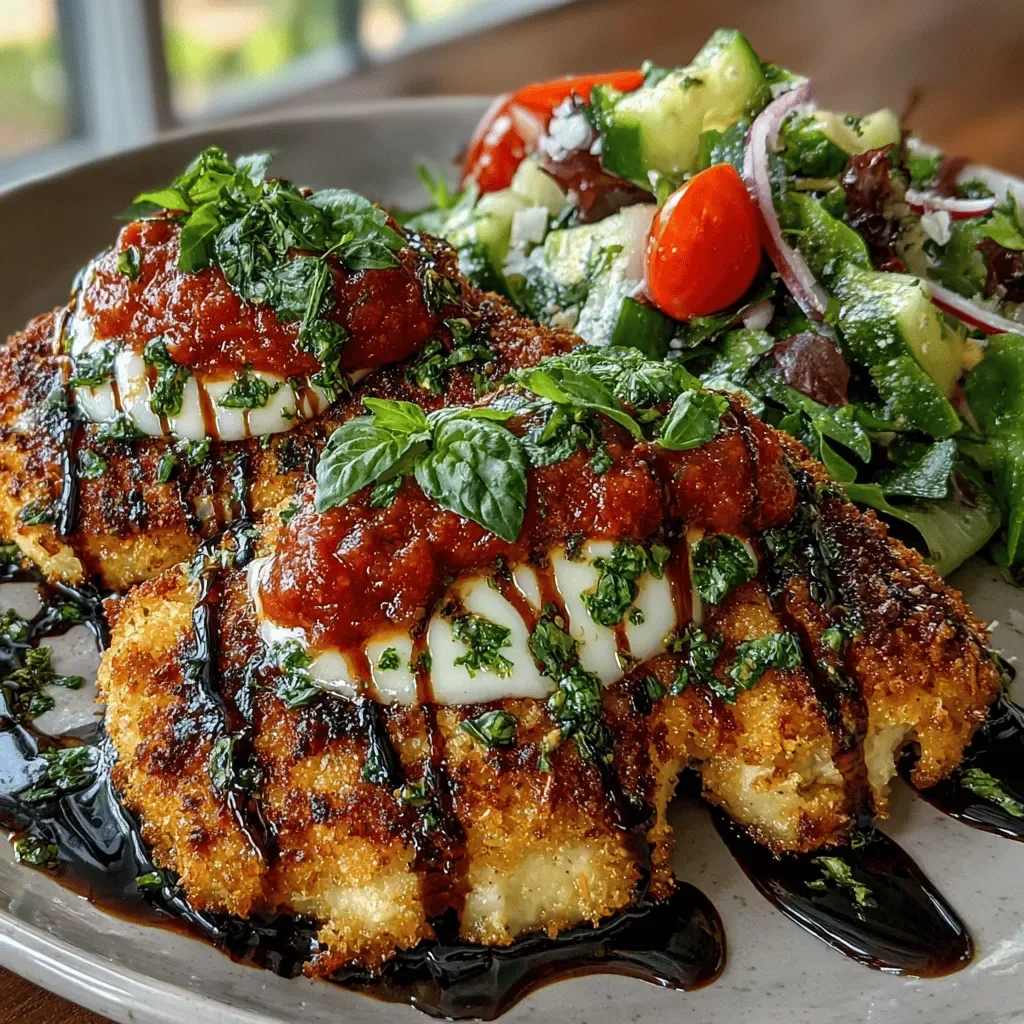

Why You'll Love This Recipe
The first time I tasted a creamy loaf that combined the lean goodness of turkey with the comforting richness of Alfredo, I was transported back to my grandmother’s kitchen. She would pull a steaming casserole from the oven on chilly autumn evenings, the scent of butter, garlic, and cheese filling the whole house. I remember sitting at the kitchen table, a warm slice in my hand, feeling the melt‑in‑your‑mouth texture that seemed to hug my palate. That memory has lingered for decades, shaping my love for dishes that marry comfort with nutrition.
When I finally decided to experiment in my own kitchen, I wanted to honor that memory while giving it a modern, protein‑forward twist. Turkey and chicken together provide a balanced lean protein profile, and the Alfredo sauce adds a luxurious mouthfeel without the heaviness of a traditional cream‑based casserole. I spent several evenings testing ratios, adjusting seasoning, and perfecting the crust so that each slice would hold together yet crumble delicately when cut. The result is a loaf that feels both nostalgic and new—a dish that can be the star of a holiday spread or a comforting weekday dinner.
What makes this Turkey Chicken Alfredo Loaf truly special is its versatility. The base can be customized with seasonal vegetables, different herbs, or even a splash of white wine for acidity. Yet the core concept remains the same: a silky, cheesy sauce that embraces tender poultry, baked to a golden finish that promises a satisfying crunch on the top and a tender, juicy interior. This balance of texture and flavor is why I keep returning to this recipe, and why I’m eager to share it with anyone looking for a dish that feels both familiar and exciting.
Ingredients

Choosing the right ingredients is the foundation of a great loaf. For the poultry, I recommend using equal parts ground turkey breast and ground chicken breast; both are low‑fat yet retain moisture when baked. Freshly grated Parmesan adds depth and a subtle nuttiness, while heavy cream creates the silkiness that defines Alfredo. Don’t skimp on the garlic and fresh herbs—these aromatics lift the dish from ordinary to memorable. If you’re looking for a gluten‑free version, substitute the all‑purpose flour with a gluten‑free blend; the texture will remain just as tender.
Instructions

Step 1: Prepare the Poultry Base
In a large mixing bowl, combine the ground turkey and ground chicken. Using clean hands or a sturdy spatula, break any clumps and blend the two meats together until the texture is uniform. This ensures each bite has a balanced flavor profile. Sprinkle a pinch of salt and pepper over the meat, then let it rest for a minute. The brief resting period allows the proteins to relax, making the mixture easier to incorporate with the wet ingredients later on.
Step 2: Make the Alfredo Sauce
In a medium saucepan over medium heat, melt the butter. Add the minced garlic and sauté for 30 seconds, just until fragrant—be careful not to brown the garlic, as it can turn bitter. Pour in the heavy cream, stirring constantly. Bring the mixture to a gentle simmer; you should see tiny bubbles forming around the edges. Reduce the heat to low and whisk in the grated Parmesan, thyme, and nutmeg. Continue whisking until the cheese has fully melted and the sauce is smooth, glossy, and thick enough to coat the back of a spoon. Season with a modest amount of salt and pepper.
Step 3: Combine Wet and Dry Elements
Create a well in the center of the meat mixture and pour the warm Alfredo sauce over it. Sprinkle the flour evenly across the top. Using a sturdy spoon or your hands, gently fold the sauce and flour into the meat, ensuring everything is evenly incorporated. The flour will act as a binder during baking, helping the loaf retain its shape. Continue mixing just until the mixture is homogenous; over‑mixing can make the loaf dense.
Step 4: Preheat and Prepare the Pan
Set your oven to 375°F (190°C) and allow it to fully preheat. While the oven heats, lightly grease a standard 9‑x 5‑inch loaf pan with a thin coat of butter or non‑stick spray. This prevents the loaf from sticking and adds a subtle buttery crust on the bottom. If you prefer a firmer crust on the sides, line the pan with parchment paper, leaving an overhang that can be lifted after baking for easy removal.
Step 5: Transfer the Mixture to the Pan
Spoon the combined meat‑and‑sauce mixture into the prepared loaf pan. Using a spatula, press the mixture down firmly, smoothing the top with a dampened hand or the back of a spoon. A compact loaf will rise evenly and slice cleanly. If you’re using panko breadcrumbs, sprinkle them evenly over the surface now, pressing gently so they adhere to the buttered top.
Step 6: Bake the Loaf
Place the loaf pan in the preheated oven on the middle rack. Bake for 35–40 minutes, or until the top is a deep golden brown and a thermometer inserted into the center reads 165°F (74°C). The loaf should feel firm to the touch, and the edges may pull slightly away from the pan, indicating a perfect bake.
Step 7: Rest Before Slicing
Remove the loaf from the oven and allow it to rest in the pan for 10‑12 minutes. This short resting period lets the juices redistribute and the internal structure set, making slicing easier and preventing the loaf from falling apart. While it rests, the residual heat continues to finish cooking the center.
Step 8: Serve and Enjoy
Transfer the loaf to a cutting board, slice into 1‑inch thick pieces, and serve warm. Pair each slice with a simple green salad, roasted vegetables, or a light tomato bruschetta. The creamy interior pairs beautifully with acidic or fresh flavors, creating a balanced plate. Leftovers can be reheated gently in a skillet with a splash of broth to revive the sauce’s silkiness.
Expert Tips
Tip #1: Chill the Mixture
After mixing the meat and sauce, cover the bowl and refrigerate for 20‑30 minutes. Chilling firms the fat and helps the loaf hold its shape better during the initial minutes of baking, reducing the risk of cracks.
Tip #2: Use Freshly Grated Cheese
Pre‑grated Parmesan often contains anti‑caking agents that prevent it from melting smoothly. Freshly grated cheese integrates seamlessly, giving the sauce a truly velvety texture and a richer flavor.
Tip #3: Add a Splash of White Wine
A quarter cup of dry white wine deglazes the pan after sautéing the garlic, adding acidity that brightens the sauce and balances the richness of the cream and cheese.
Tip #4: Incorporate Fresh Herbs
A tablespoon of chopped fresh parsley or basil folded in just before baking adds a burst of color and a fresh, herbaceous note that cuts through the richness.
Tip #5: Gentle Slicing
Dip your knife in hot water, wipe it dry, and slice. The heat prevents the blade from sticking to the creamy interior, giving you clean, uniform pieces.
Tip #6: Reheat with Moisture
When reheating leftovers, add a splash of chicken broth or milk to a skillet over low heat. This revives the sauce’s creaminess and prevents the loaf from drying out.
Nutrition
Per serving (1 slice, approx. 1/6 of loaf)
Frequently Asked Questions
Common Mistakes & How to Avoid Them
- 1. Over‑mixing the meat: Excessive stirring can break down the protein fibers, resulting in a dense, rubbery loaf. Mix just until ingredients are combined.
- 2. Using pre‑grated Parmesan: Anti‑caking agents prevent smooth melting, creating a grainy sauce. Always grate cheese fresh for optimal texture.
- 3. Skipping the resting step: Cutting the loaf immediately releases steam and juices, causing the loaf to crumble. Rest for at least 10 minutes.
- 4. Baking at too high a temperature: The exterior can burn while the interior remains undercooked. Stick to 375°F (190°C) and monitor the internal temperature.
- 5. Not checking internal temperature: Relying solely on visual cues can lead to undercooked poultry. Use a meat thermometer to ensure 165°F (74°C) for safety.
Variations
- Mediterranean Twist: Add chopped sun‑dried tomatoes, Kalamata olives, and a teaspoon of oregano to the meat mixture. Finish with a sprinkle of feta cheese before baking.
- Spicy Cajun Version: Incorporate a tablespoon of Cajun seasoning and a pinch of cayenne pepper. Top with crushed red‑pepper flakes for extra heat.
- Herb‑Infused Green: Fold in 1 cup of wilted spinach and 2 teaspoons of fresh rosemary. The green adds color and a fresh earthiness.
- Cheese Lover’s Upgrade: Mix in shredded mozzarella and a dash of smoked Gouda for a deeper, layered cheese flavor.
- Low‑Carb Keto Adaptation: Omit the flour and breadcrumbs, increase the cream to 2½ cups, and add ¼ cup almond flour for binding. The loaf remains moist while staying low‑carb.
Storage & Reheating
Refrigeration: Let the loaf cool completely, then wrap each slice tightly in plastic wrap and place in an airtight container. Store in the refrigerator for up to four days. When ready to serve, reheat a slice in a skillet over low heat, adding a splash of chicken broth or milk to revive the creamy texture.
Freezing: For longer storage, freeze individual slices wrapped in parchment paper and then in a freezer‑safe bag. They keep well for three months. Thaw overnight in the refrigerator, then reheat using the same skillet method or a 300°F (150°C) oven for 10‑12 minutes.
Microwave (quick option): Place a slice on a microwave‑safe plate, cover loosely with a damp paper towel, and heat on medium power for 45‑60 seconds, checking halfway. Add a drizzle of cream if the sauce looks dry.
Serving Suggestions
- Serve with a simple arugula salad tossed in lemon vinaigrette to cut through the richness.
- Pair with roasted asparagus spears brushed with olive oil and a pinch of sea salt.
- Accompany the loaf with buttery garlic mashed cauliflower for a low‑carb side.
- Top each slice with a spoonful of fresh tomato salsa for a bright, acidic contrast.
- For a brunch twist, serve warm slices alongside poached eggs and a drizzle of hollandaise.